
Buying Land to Build a House: A Complete Guide
Buying land to build a house starts with more than finding a lot you like. Before you buy, you need to understand where and what you can build, how utilities will reach the home, what site work may be required, and whether the total cost fits your budget. A good lot should work for both the house you want to build and the way you want to live.
Buying land and building a house gives you the opportunity to choose the location, homesite, and home that fit your plans. It also means making several important decisions before construction begins.
The land itself is only one part of the decision. Lot dimensions, topography, utilities, access, covenants, building requirements, and site preparation can all affect what you can build and what the finished project may cost.
This guide walks through the major steps to consider when buying land to build a house, from identifying the right property to preparing for construction.

1. Start With the House You Want to Build
It is tempting to start by shopping for land. In many cases, it makes more sense to first have a general idea of the house you want to build.
You do not need finished architectural plans, but you should know the basics. Think about the approximate size of the home, number of stories, garage configuration, whether you want a walk-out or daylight basement, outdoor living space, and any additional structures you may want in the future.
Those choices can affect which lots make sense.
A house designed for a walk-out basement, for example, needs a different lot than a home designed for a flat site. A wider floor plan may require a wider lot. If you want a detached shop or outbuilding, you also need to know whether the lot size and applicable restrictions allow one.
Before Shopping for Land, Know Your Priorities
- Approximate home size and footprint
- One story, two story, split-level, or another design
- Garage size and orientation
- Walk-out, daylight, or standard basement
- Desired yard size
- Space for an outbuilding, if applicable
- Neighborhood and location preferences
Having these priorities in mind helps you evaluate land based on whether it works for your actual building plans instead of trying to redesign those plans around a lot you have already purchased.
2. How to Find Land to Build a House
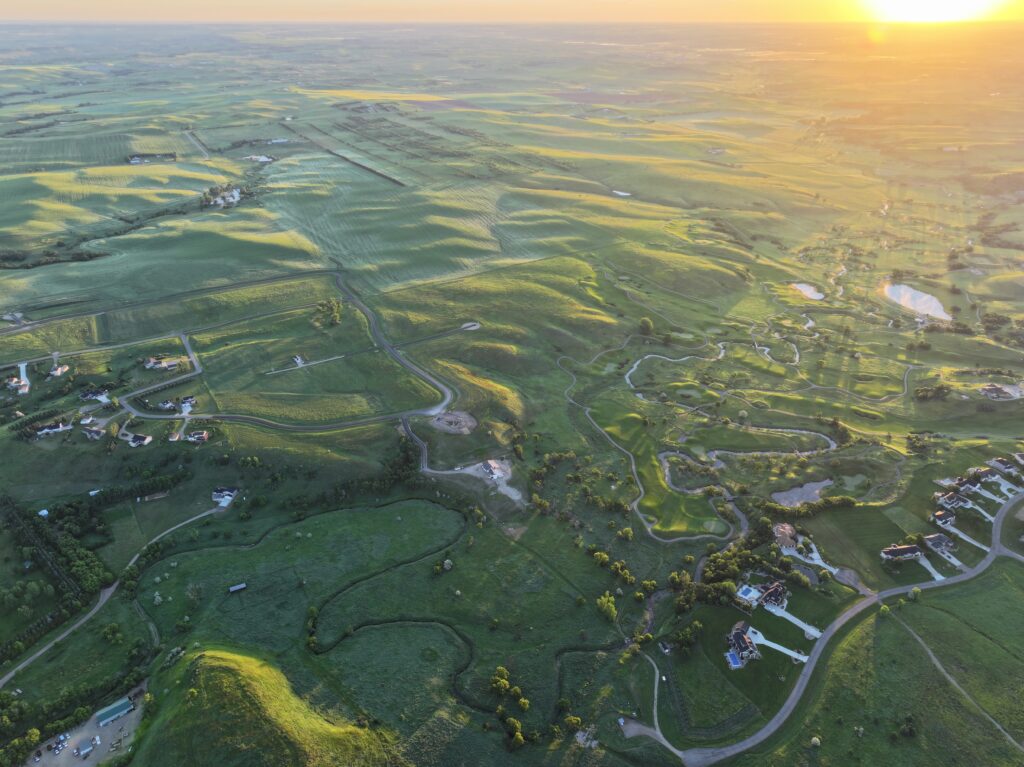
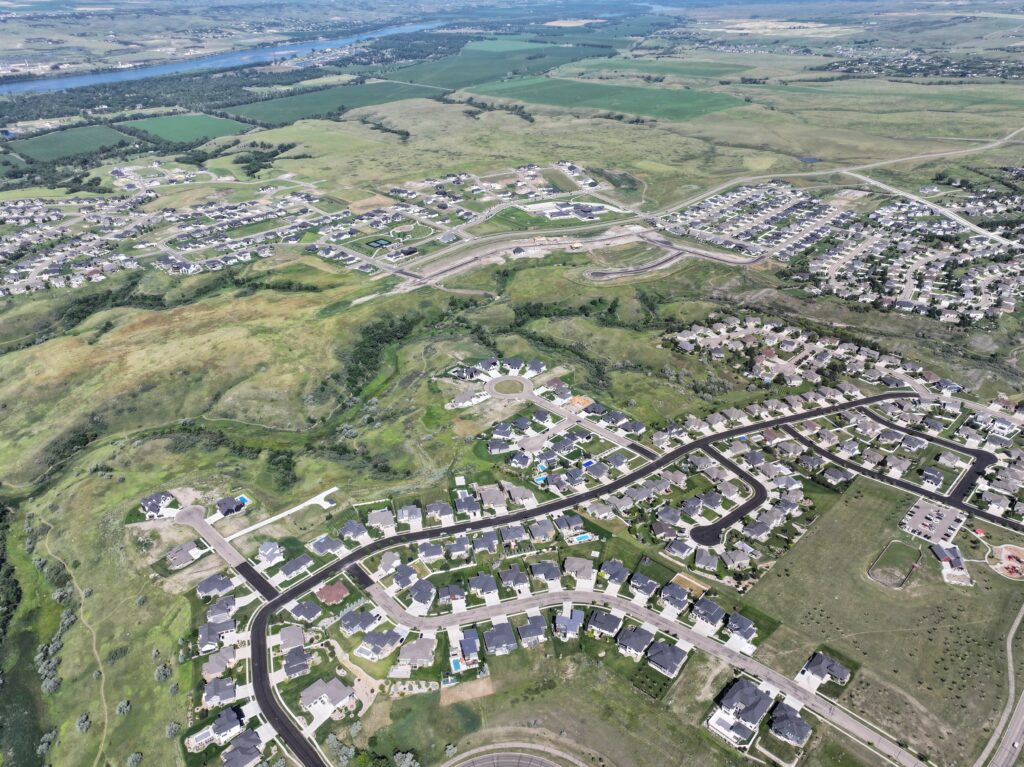
When considering how to find land to build a house, start by deciding what kind of setting you want. A developed residential lot and an undeveloped piece of acreage can create very different building experiences.
A lot in a planned residential development may already have roads, defined lot boundaries, access to utilities, and established building requirements. Raw land may require substantially more investigation and site preparation before a home can be built.
Location matters too. Consider the things you will use every week, not just the view from the lot. Schools, work, shopping, recreation, road access, and future development around the property can all affect whether a location works for you long term.
As you compare properties, consider the lot itself as well. The size and shape of the lot, slope, utility access, building setbacks, covenants, and other requirements can influence both the type of home you can build and the cost of getting the site ready for construction.
For buyers looking around Bismarck-Mandan, Knutson offers residential lots in several communities. You can compare available properties and communities to find a homesite that fits what you are planning to build.

3. What to Look for When Buying Land
Finding a location you like is only the beginning. Before purchasing a lot, take a closer look at the physical property and the requirements that apply to it.
Lot Dimensions
Look at the width, depth, shape, and overall size of the lot. A property's total area does not tell you everything. The usable building area needs to accommodate your home, garage, required setbacks, driveway, and the outdoor space you want.
Topography
The slope of the property can influence the type of foundation and home design that make sense for the site. It can also affect grading, drainage, driveway placement, and other site work.
Utilities
Determine what utilities serve the property and how they will connect to the home. Do not assume every property has the same utility arrangement simply because it is located near other homes.
Access
Understand how the property is accessed and where a driveway can reasonably be located. Access can influence the home's orientation, garage placement, and overall site plan.
Building Requirements and Restrictions
Review applicable setbacks, easements, covenants, and other property requirements before finalizing your plans. These documents may affect where structures can be placed and what can be built.
For a more detailed explanation of the items buyers should evaluate before purchasing property, continue to our guide on what to look for when buying land.
4. Review the Plat Map and Covenants
Before buying land, take time to understand the documents that control how the property is laid out and how it can be used.
What Is a Plat Map?
A plat map shows how land has been divided into individual lots and typically identifies information such as property boundaries, streets, and other recorded features. It can help you understand how a particular lot fits within the larger development.
If you have not worked with a plat map before, our detailed guide explains what a plat map is, what information it can contain, and what to look for when reviewing one.
What Are Covenants?
Covenants and other recorded restrictions can establish requirements for properties within a development. Review them before purchasing a lot so you understand the requirements that may affect your building plans or future use of the property.
Knutson provides community covenants and plat information as a resource for buyers considering residential lots.
5. Is It Cheaper to Buy Land and Build a House?
There is no single answer to whether it is cheaper to buy land and build a house. The purchase price of the land is only one part of the total project cost.
Two lots with different purchase prices can ultimately have very different development costs. A lower-priced property that requires substantial site work or additional infrastructure may not result in the lower total project cost.
Consider the Full Project Cost
- Land purchase
- Financing
- Site preparation and grading
- Utility connections
- Permits and applicable fees
- Professional services
- Home construction
- Driveway and exterior improvements
- Landscaping
The cheapest way to buy land and build a house is not necessarily to find the lowest-priced lot. A better approach is to compare properties based on the total work required to turn each site into the finished home you want.

6. How to Build a House on Your Own Land
Once you have identified the right property, the process moves from finding land to planning the home and preparing the site.
- Define the home you want to build. Establish the general size, layout, garage needs, and other major priorities.
- Find land that fits the plan. Compare location, lot dimensions, topography, utilities, access, and property requirements.
- Review the property documents. Understand the plat, easements, covenants, setbacks, and other requirements that may affect the home.
- Select your builder and finalize the home design. Make sure the home design works with the specific lot you intend to purchase or have purchased.
- Prepare the site and obtain required approvals. The work required will depend on the property and construction plans.
- Begin construction. Once the plans, approvals, financing, and site are ready, construction can move forward.
Knutson Realty sells residential lots and helps buyers evaluate available homesites. Knutson does not build the homes. Buyers work with the builder and other professionals they select for the construction process.
For a closer look at the work that may happen before construction starts, continue to our guide on preparing land for construction.
7. Buying Land to Build a House in Bismarck-Mandan
Buying land in the Bismarck-Mandan area still requires the same basic due diligence as buying property anywhere else, but local site conditions, infrastructure, development requirements, and the characteristics of the individual property matter.
Knutson's residential communities include Elk Ridge, Summit Point, Whispering Ridge, The Ridge, The Meadows, Whispering Bay, and Boden Residential. The right community depends on the type of homesite, location, and setting you are looking for.
Rather than choosing a community first and trying to make a particular lot work, compare the available properties against the house you actually want to build.
Knutson's residential lots page provides a starting point for comparing available properties and exploring the residential communities.
Frequently Asked Questions About Buying Land to Build a House
Should I Buy Land Before Choosing a Builder?
You do not necessarily need to select a builder before purchasing land, but it is helpful to have a good idea of the type and size of home you want. A builder can also help determine whether a particular lot works well for the home you are considering.
Is It Cheaper to Buy Land and Build a House?
It depends on the property, site preparation required, utility connections, home design, construction costs, and other project expenses. Compare the total cost of the finished project rather than looking only at the purchase price of the land.
What Should I Check Before Buying Land to Build a House?
Review the lot dimensions, topography, access, utilities, setbacks, easements, covenants, and other applicable requirements. You should also make sure the property works for the type of home and garage you intend to build.
Can I Choose My Own Builder When Buying a Knutson Lot?
Knutson sells residential lots rather than building the homes. Buyers select the builder and other professionals who will be involved with their home construction, subject to the requirements that apply to the property.
Where Can I See Available Residential Lots?
Knutson's residential lots page provides current lot information and access to the residential communities available through Knutson Realty.
Find Land for the Home You Want to Build
Buying land is the beginning of the building process, not a separate decision from it. The right homesite should fit your house plans, budget, location preferences, and long-term goals.
Knutson Realty offers residential lots in communities throughout the Bismarck area. Start by reviewing available lots, then contact us if you have questions about a property or want help identifying a homesite that fits what you are planning to build.