
Knutson Realty | Building on Your Lot
How to Prepare Land for Construction
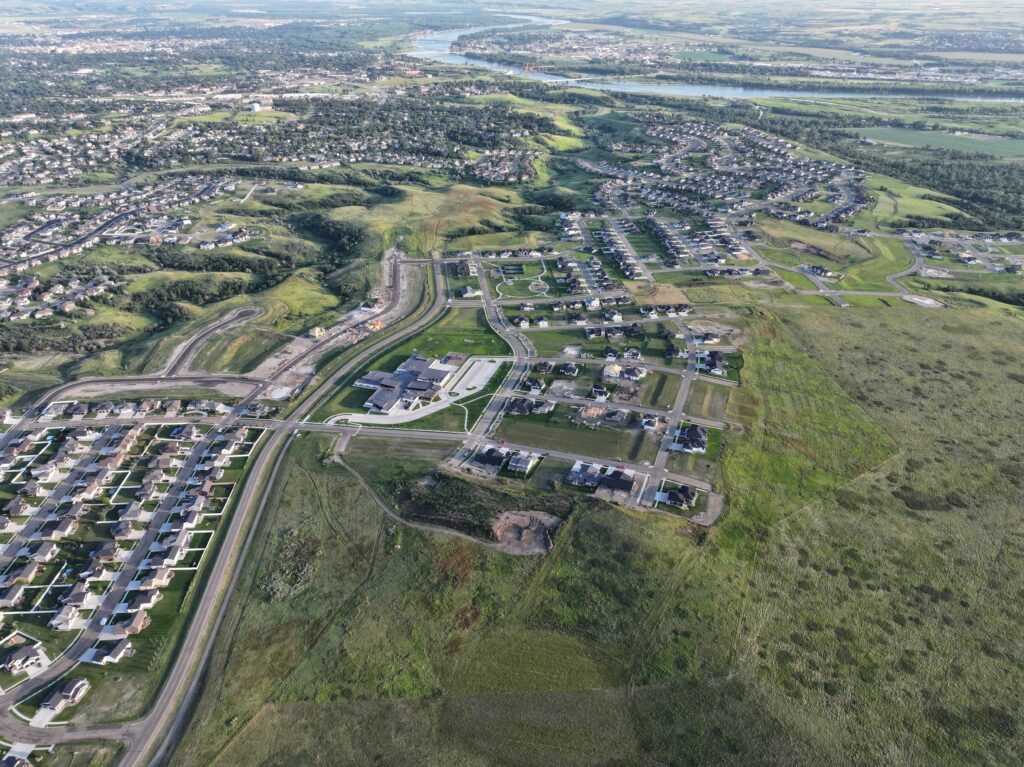
To prepare land for construction, first find out what work has already been done on the lot. Then have your builder review the home’s placement, access, utilities, drainage, and the site work still needed.
A lot in a residential development may have roads and shared infrastructure in place, but that does not mean every step for an individual home is complete. The details depend on the exact property and the house you plan to build.
01 | Start here
Find Out What Is Already in Place
Ask about the work completed for the development and the work completed for the specific lot. Roads, shared utilities, and neighborhood grading are different from excavation, connections, and finish grading for one home.
We can help you find the available information for a lot we list. Bring that information to your builder so they can identify what still needs to be checked before construction begins.
02 | The layout
Review Where the Home Can Go
Give your builder the applicable plat and other available lot documents. Discuss the home’s footprint, garage, driveway, slope, and any easements or building restrictions that could affect placement. An easement is a recorded right to use part of a property for a specific purpose, such as utilities.
Do this before treating a house plan as final. A design that fits on paper may need changes once your builder reviews how it sits on the actual lot.
03 | Services and access
Confirm Utilities and the Driveway Plan
Ask which utilities serve the exact lot and where the connection points are. Then ask your builder what work is needed to connect the proposed home. A service being available does not necessarily mean the connection work is included in a building proposal.
Talk through how vehicles and construction equipment would reach the home site. The driveway location should make sense with the road, garage placement, and grade of the land.
04 | Builder review
Ask Your Builder What Site Work Remains
A short preparation checklist
- Review the lot documents and proposed home placement.
- Confirm utility and wastewater arrangements.
- Discuss access, excavation, and foundation plans.
- Ask how drainage and final grading will be handled.
- Identify the approvals needed for the proposed build.
Ask which items are included in the builder’s proposal and which require more investigation. That conversation gives you a clearer picture of the work between buying a lot and starting a home.
05 | Bismarck-Mandan
Make the Check Specific to Your Lot
Property details vary across the Bismarck-Mandan area, even between nearby lots. Ask your builder which local office will review the proposed home and what information that office needs. Also confirm the wastewater arrangement for the property rather than assuming it matches another lot.
Our residential lots for sale page identifies certain properties with a centralized Bioclere system. Check the listing and documents for the lot you want before planning its utility connections.
Quick answers
Frequently Asked Questions
Is a developed lot ready for a house immediately?
That depends on the lot and the proposed home. Ask what development work is complete and have your builder identify the remaining work for your house.
Who decides where the home should sit?
Work with your builder to review placement against the lot documents and your home design. The final plan should account for applicable restrictions, access, and site conditions.
Does our team prepare the site for my house?
We help you evaluate the lots we list and understand the available property information. Your chosen builder can explain and plan the site work for your individual home.


